



The atmosphere surrounding motorsport events is electric, and one of the most captivating aspects is the vibrant fan culture that thrives in these high-octane environments. From the excitement of the paddock to the roar of engines on the track, fans play a crucial role in shaping the experience of racing weekends. Understanding the dynamics of this culture reveals not only what makes racing thrilling but also how fans express their passion for their favorite teams and drivers.
As we delve into the intricacies of fan culture, it becomes evident that every racing event is a unique tapestry woven with the threads of community, tradition, and shared enthusiasm. The paddock serves as a focal point where devotees gather to celebrate their heroes, exchange stories, and partake in the exhilarating atmosphere that only motorsport can provide. Anticipating the behaviors and interactions of fans allows teams and organizers to enhance the overall experience, creating moments that resonate long after the checkered flag falls.
In this article, we will explore various facets of fan culture at racing events, examining how engagement strategies, merchandise, and social media interactions contribute to a deeper connection between fans and the sport. By gaining insights into this passionate community, we can better appreciate the role of fan culture in enriching the world of motorsport and driving its future growth.
Understanding Fan Engagement Strategies at the Paddock

The paddock serves as a vibrant hub for fans at any motorsport event, creating a unique atmosphere where passion and excitement converge. Effective fan engagement strategies within this space are crucial for enhancing the overall experience for attendees and fostering a deeper connection with the sport.
One key strategy involves offering exclusive access to drivers and team personnel. Opportunities for autographs, meet-and-greets, and Q&A sessions allow fans to interact directly with their heroes, creating memorable experiences that enhance loyalty and promote a sense of community. These personal engagements not only excite fans but also humanize the sport, bridging the gap between team members and spectators.
Interactive displays play a significant role in keeping fans engaged. Racing simulators, virtual reality experiences, and behind-the-scenes showcases can immerse attendees in the world of motorsport. Such interactive elements stimulate enthusiasm and create an educational dimension that enriches the fan experience.
Moreover, merchandise booths offering exclusive paddock-only items provide fans with tangible mementos of their experience. Limited-edition apparel and collectibles are not only sought after but also serve as a means for fans to express their allegiance to specific teams or drivers, fostering a deeper emotional attachment to the sport.
Utilizing social media platforms is another pivotal strategy. Live updates, behind-the-scenes content, and interactive polls bolster fan engagement through virtual channels. Teams can encourage fans to share their own experiences in the paddock, amplifying excitement and creating a shared narrative that extends beyond the event itself.
Finally, implementing a strong fan feedback mechanism ensures that strategies evolve according to the preferences of attendees. Engaging fans in discussions about their experience and soliciting suggestions for future events can lead to innovative ideas that enhance fan satisfaction and involvement within the paddock.
In conclusion, understanding and implementing effective fan engagement strategies at the paddock can significantly enhance the motorsport experience for fans. By fostering personal connections, creating interactive environments, offering unique merchandise, leveraging social media, and actively seeking feedback, stakeholders can cultivate a passionate and loyal fanbase that thrives in the excitement of motorsport events.
Identifying Key Influencers in Motorsport Fan Communities
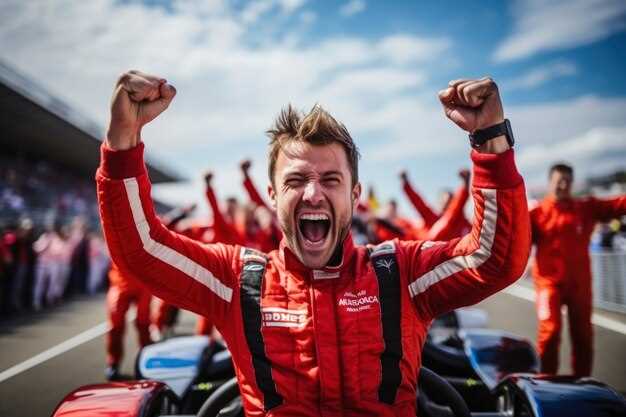
In the world of motorsport, understanding the dynamics of fan communities is crucial for engagement and marketing strategies. Identifying key influencers within these communities can significantly impact how events are perceived and experienced by fans in the paddock and beyond.
Key influencers often emerge from various sources within the fanbase. This can include:
- Social Media Personalities: Fans who actively create content, share insights, and engage with large audiences on platforms like Twitter, Instagram, and TikTok.
- Bloggers and Journalists: Individuals or groups that write articles, reports, and analyses about motorsport events, influencing public opinion and fan discussions.
- Industry Experts: Former drivers, engineers, and team principals who contribute their expertise through social media or interviews, garnering respect and attention from followers.
- Community Leaders: Organizers or moderators of online forums and fan clubs who foster discussions, organize events, and cultivate community spirit among fans.
To effectively identify these influencers, consider the following strategies:
- Social Listening: Utilize tools that track mentions of teams, drivers, and events on social media. This helps identify who drives conversations and influences fan sentiments.
- Engagement Metrics: Analyze likes, shares, and comments on relevant posts to gauge which individuals have the most impactful presence within the motorsport community.
- Networking at Events: Attend racing events and engage in the paddock to meet influential fans and community figures. Personal interactions can offer unique insights into their influence.
- Surveys and Polls: Regularly conduct surveys amongst fans to determine who they trust and follow for motorsport news and insights.
Building relationships with these key influencers can enhance marketing efforts, create authentic engagement opportunities, and drive enthusiasm within the motorsport community. By understanding who influences fans, teams and organizations can tailor their strategies to connect meaningfully with their audience.
Assessing Social Media Trends Impacting Racing Event Attendance
Social media platforms have transformed the way fans engage with motorsport events and have significantly influenced attendance levels. By analyzing trends in platforms like Twitter, Instagram, and TikTok, organizations can better understand fan sentiment and tailor marketing strategies to enhance spectator participation.
Firstly, the rise of user-generated content has empowered fans to share their experiences, leading to increased visibility for racing events. Highlights, live interactions, and behind-the-scenes footage shared by fans can create a sense of community, prompting others to attend. Hashtags related to specific races or motorsport teams become pivotal in generating buzz, making events trending topics and piquing interest among potential attendees.
Moreover, influencers and prominent figures in the motorsport community play a crucial role in shaping fan perceptions. Endorsements and collaborative posts featuring popular drivers or teams can dramatically increase event visibility. When fans see their idols promoting an event or sharing their excitement about attending, they are more likely to participate themselves.
Another important aspect is the utilization of social media advertising. Targeted ads on these platforms can help reach specific demographics interested in motorsport. By analyzing engagement metrics, organizers can adjust their campaigns to better resonate with fans, effectively driving attendance.
Furthermore, real-time interactions during events on social media encourage fans to engage with the racing experience, even if they are not in attendance. This virtual participation can create anticipation for future events, motivating fans to physically attend subsequent races. Engaging with fans through polls, live Q&A sessions, and contests can enhance their connection to the event and increase the likelihood of attendance.
In conclusion, assessing social media trends is critical for racing event organizers striving to boost attendance. By leveraging fan engagement, influencer endorsements, targeted advertising, and real-time interactions, motorsport entities can cultivate a passionate fan base eager to support and attend events.


