


Aerodynamics plays a crucial role in the performance of vehicles, especially in the realm of motorsports and high-speed driving. Spoilers and splitters are essential components designed to manipulate airflow around a vehicle, ultimately enhancing stability and control. Understanding how these elements function can significantly improve a driver’s ability to navigate corners and maintain speed on straightaways.
Downforce is the vertical force exerted on a vehicle due to the airflow over its body. By utilizing aerodynamic devices such as spoilers and splitters, drivers can increase downforce, pushing the vehicle closer to the track surface. This increased grip allows for better cornering and braking performance, which is vital in competitive racing scenarios.
In this article, we will delve into the mechanics of spoilers and splitters, explaining how they contribute to the overall aerodynamic efficiency of a vehicle. We will explore the design principles behind these components, their impact on downforce generation, and the practical implications for both road and race cars. By the end of this discussion, readers will gain a clearer understanding of how effective aerodynamics can transform vehicle performance.
Aerodynamics: Spoilers, Splitters, and Downforce Explained
Aerodynamics plays a crucial role in performance vehicle design, particularly in the context of enhancing stability and traction at high speeds. Key components such as spoilers and splitters contribute significantly to downforce, which is the downward pressure exerted on a vehicle by the air flowing over and around it. This effect allows vehicles to achieve better grip, reducing tire slippage during cornering and acceleration.
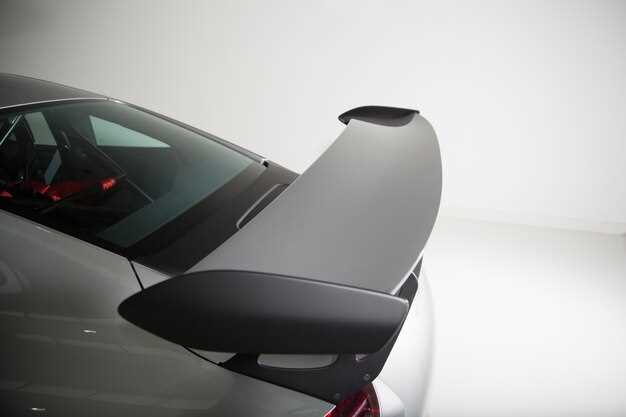
Spoilers are aerodynamic devices mounted on the rear of a vehicle. Their primary function is to disrupt the airflow over the body, thereby reducing lift. By creating turbulence, spoilers help to maintain a vehicle’s contact with the road, improving downforce and overall handling. The setup of a spoiler can vary, as its angle and size need to be carefully calibrated to match the car’s design and performance goals.
On the front end of the vehicle, splitters play a critical role in managing airflow and increasing downforce. Positioned at the lower part of the front bumper, splitters extend outward and direct air under the car, enhancing the vacuum effect created by the vehicle’s aerodynamics. A well-designed splitter can significantly improve grip and stability by increasing the downforce applied to the front wheels. Adjusting the setup of a splitter can involve modifying its angle and height, ensuring optimal performance based on the specific requirements of the track or driving conditions.
In conclusion, the interplay between spoilers, splitters, and downforce is fundamental for high-performance vehicles. Proper setup of these aerodynamic components not only enhances a car’s stability at speed but also optimizes its overall performance on the track. Understanding and leveraging the principles of aerodynamics is essential for achieving the desired balance between downforce and drag, ultimately leading to superior driving dynamics.
Understanding Spoilers: Functionality and Design Choices
Spoilers are critical components in automotive design, specifically engineered to enhance vehicle performance through improved aerodynamics. Their primary purpose is to generate downforce, which increases tire grip and stability during high-speed maneuvers.
There are various types of spoilers, each with specific design features aimed at optimizing aerodynamic efficiency:
- Rear Spoilers: Positioned at the rear of the vehicle, these spoilers create a low-pressure area, pulling the vehicle downward. This design is essential for enhancing grip when negotiating corners at speed.
- Front Spoilers: Located at the front bumper, front spoilers reduce lift by blocking airflow and redirecting it under the car. This can lead to improved traction and stability.
- Active Spoilers: These advanced spoilers adjust their angle based on speed and driving conditions, providing optimal downforce when needed without compromising drag during low-speed scenarios.
When designing a spoiler, engineers must consider several factors:
- Material: Common materials include lightweight composites and carbon fiber, which balance strength and weight. A lighter spoiler can improve overall vehicle performance.
- Angle and Shape: The angle of the spoiler significantly affects airflow. A steeper angle can increase downforce but may also add drag, necessitating careful calibration.
- Integration: Spoilers must be seamlessly integrated into the vehicle’s overall design to maintain aesthetics while enhancing aerodynamic properties. This often involves extensive wind tunnel testing.
The effectiveness of spoilers in generating downforce is proven across various motorsport disciplines. High-performance vehicles leverage this technology not only for speed but also for safety, ensuring drivers maintain control during high-speed racing or aggressive driving conditions. Understanding the intricate balance between drag and downforce is crucial for optimizing both functionality and design in spoilers.
How Splitters Influence Vehicle Stability at High Speeds
Splitters are critical components in the aero setup of high-performance vehicles, playing a significant role in enhancing stability when navigating at elevated speeds. Their primary function is to manage airflow beneath the vehicle, which directly affects the generation of downforce.
By extending the front of the vehicle, splitters create a low-pressure zone underneath while increasing air pressure above. This pressure differential effectively pulls the car towards the ground, enhancing grip and reducing lift. As a result, vehicles equipped with splitters demonstrate improved handling characteristics, particularly during aggressive cornering and high-speed maneuvers.
The effectiveness of a splitter increases with the vehicle’s speed; as velocity rises, the aerodynamic force generated becomes more pronounced. At high speeds, properly designed splitters can significantly reduce front-end lift, allowing for greater tire contact with the road surface. This stability is crucial during high-speed turns, where aerodynamic forces can otherwise destabilize the vehicle.
Moreover, the angle, width, and material of the splitter can be adjusted to fine-tune the aero setup for specific racing conditions or performance goals. A well-integrated splitter not only enhances aerodynamic efficiency but also complements other components like rear wings and canards to optimize overall vehicle dynamics.
In summary, splitters are integral to maintaining vehicle stability at high speeds by effectively managing airflow and generating downforce. Their design and integration into the overall aero setup can make a substantial difference in a vehicle’s handling performance and driver confidence on the track.
Downforce Optimization: Tuning Your Aero Setup for Performance
Downforce is a critical component in enhancing vehicle stability and cornering capabilities, especially at high speeds. To optimize downforce, it is essential to understand the relationship between various aerodynamic elements, such as wings, splitters, and diffusers. Proper tuning of these components can lead to significant performance improvements on the track.
Start by assessing your current aero setup. Identify the balance between downforce and drag; achieving optimum performance requires sacrificing some speed for increased grip. This balance varies depending on the type of racing and track characteristics. For instance, high-speed circuits benefit from a lower downforce setup to minimize drag, while tight, twisty tracks may require maximum downforce for better handling.
Wings are often the most adjustable elements in an aero setup. Consider the angle of attack; increasing this angle enhances downforce but also increases drag. Experiment with different settings during practice sessions to find the sweet spot that maximizes grip without compromising too much on straight-line speed. Use data acquisition tools to analyze lap times and aerodynamic performance, allowing for informed decisions on wing adjustments.
Additionally, incorporating splitters can further enhance front-end grip. A well-designed splitter generates downforce while directing airflow around the vehicle, improving overall aerodynamics. Ensure that the splitter is properly aligned with the underbody to minimize turbulence, thus maximizing downforce efficiency.
Don’t overlook the importance of the rear diffuser in your optimization efforts. A properly configured diffuser helps to accelerate airflow underneath the car, reducing pressure and generating additional downforce. Experiment with different diffuser designs and angles to optimize the airflow characteristics, ensuring that the rest of your aero components complement these changes effectively.
Regularly review your car’s setup in conjunction with tire selection and suspension settings, as these factors significantly influence downforce efficiency. A well-balanced car not only improves lap times but also enhances driver confidence, leading to better overall performance. Maintain thorough documentation of the changes made and their effects to establish a reliable baseline for future tuning efforts.
Ultimately, downforce optimization is a continuous process that involves testing, data analysis, and adjustment. Stay adaptable to evolving conditions and feedback, ensuring that your aero setup consistently meets performance targets and enhances your racing experience.


