



The world of motorsport employs a variety of advanced technologies to enhance vehicle performance, with paddle shifters emerging as a pivotal feature in modern racing gearboxes. These mechanisms allow drivers to execute sequential shifts with remarkable precision and speed, significantly influencing lap times and overall race outcomes. Understanding how paddle shifters function can provide valuable insights into their critical role in contemporary automotive engineering.
In essence, paddle shifters facilitate manual gear changes without the need for a traditional clutch pedal, streamlining the shifting process. When a driver pulls a paddle, a hydraulic system engages the appropriate gear within the sequential gearbox. This directly connects the driver’s input to the drivetrain, enabling rapid accelerations and seamless transitions between gears. The integration of such technology not only enhances performance but also ensures that drivers can maintain control and focus on the track ahead.
The popularity of sequential transmission paired with paddle shifters can be attributed to the growing need for speed and efficiency in competitive racing environments. By reducing the time lost during gear changes, these systems empower drivers to harness their vehicles’ full potential, making them a game-changing element in high-stakes competitions. Exploring the intricacies of paddle shifters reveals the engineering brilliance that propels modern racing forward.
How Paddle Shifters Enhance Gear Changes in Sequential Gearboxes
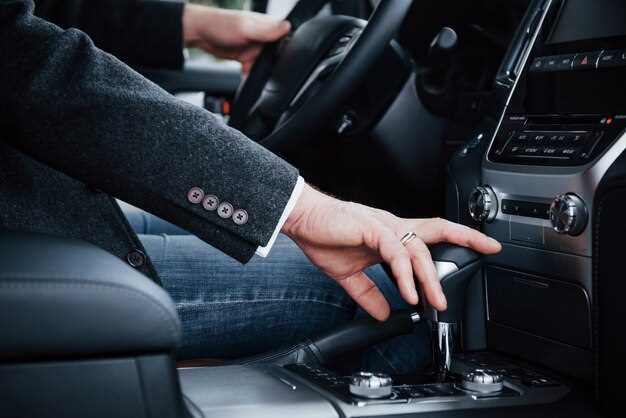
Paddle shifters represent a significant advancement in the efficiency of gear changes within sequential gearboxes, commonly utilized in modern racing cars. This mechanism allows drivers to shift gears rapidly and intuitively, optimizing vehicle performance on the track. By simply pulling a paddle located behind the steering wheel, drivers can execute gear shifts without removing their hands from the wheel, maintaining optimal control during high-speed maneuvers.
The design of paddle shifters enables quicker engagement of gears, resulting in reduced shifting times compared to traditional manual gearboxes. This reduction in time is crucial in racing scenarios where every millisecond counts. Sequential gearboxes, paired with paddle shifters, provide precise control over gear selection, allowing drivers to focus on maximizing throttle response and cornering precision.
Furthermore, paddle shifters improve driver confidence. The tactile feedback associated with pulling a paddle allows for a more engaging driving experience. Drivers can execute shift commands with minimal effort, enabling them to concentrate on racing lines and strategic overtakes. Enhanced gear changes lead to smoother transitions, minimizing the likelihood of power loss during shifts and ultimately enhancing lap times.
Another benefit of paddle shifters in sequential gearboxes is the reduction of wear on mechanical components. The electronic control systems often integrated with paddle shifters can optimize shift points based on various parameters, ensuring that gear changes occur at the optimal time for both performance and longevity of the transmission. This technological integration not only enhances racing dynamics but also contributes to the overall reliability of the gearbox during high-stress conditions.
In conclusion, paddle shifters significantly enhance gear changes in sequential gearboxes by providing rapid, precise, and intuitive control. They facilitate improved driver performance, greater confidence, and reduced mechanical wear, establishing them as an indispensable component in modern racing technology.
The Mechanisms Behind Paddle Interaction and Gear Selection
Paddle shifters operate through a sophisticated system designed for rapid gear selection in sequential gearboxes. These mechanisms allow drivers to change gears without taking their hands off the steering wheel, enhancing control and focus during racing. When a driver activates a paddle, either by pulling it with their fingers or pushing it with their thumbs, a signal is sent to the gearbox’s electronic control unit (ECU).
The ECU interprets this signal and determines the appropriate action based on the current gear and vehicle speed. It then triggers the actuation mechanism, which can be hydraulic, pneumatic, or electromagnetic, to engage or disengage the clutch and shift gears seamlessly. This swift communication between the paddle and the gearbox is crucial for maintaining optimal engine performance and acceleration.
Sequential gearboxes utilize pre-defined gear positions, allowing for straightforward shifts. Each paddle correspondence is typically linked to a specific gear: pulling the right paddle increases the gear, while the left paddle decreases it. This linear approach not only simplifies the gear selection process but also minimizes the time lag that can occur in automatic systems.
The design of the paddle shifters ensures that they provide tactile feedback, allowing drivers to feel the engagement of the shift, crucial for maintaining high performance under race conditions. Additionally, the sequential nature of the gearbox means that the driver can anticipate the next gear change, reducing cognitive load during intense driving situations.
In conclusion, the interaction between paddles and gear selection mechanisms involves a highly engineered system that combines electronic signals, mechanical actuation, and driver interface to facilitate efficient and rapid gear changes, vital for competitive racing scenarios.
Maintenance Tips for Optimal Performance of Paddle Shifters
To ensure the longevity and efficiency of paddle shifters in racing gearboxes, regular maintenance is crucial. These systems operate under high stress, making their upkeep essential for optimal performance.
1. Regular Inspection: Periodically check the paddle shifters for any signs of wear or damage. Look for cracks, loose components, or excessive play, which can affect the precision of gear changes. Promptly addressing issues can prevent more significant problems down the line.
2. Keep Components Clean: Dirt and debris can hinder the operation of your sequential gear system. Use a soft cloth to wipe down the paddles and surrounding areas. Pay special attention to the connection points, as grime can cause sticking or misalignment.
3. Check Wiring and Connections: Since paddle shifters rely on electrical signals, inspect all wiring and connectors for signs of corrosion or damage. Secure connections ensure that each shift is registered accurately and instantly.
4. Lubricate Moving Parts: Depending on the design, certain components may require lubrication. Use manufacturer-recommended lubricants sparingly to avoid attracting dirt. Proper lubrication reduces friction and enhances the responsiveness of the paddle system.
5. Software Updates: If your paddle shifter system is equipped with electronic components, ensure the software is up to date. Manufacturers may release updates that improve performance and fix bugs. Regular checks can ensure your system functions at peak levels.
6. Test Shift Response: Conduct regular tests of the paddle shifters during practice sessions. An immediate and smooth response indicates that the system is functioning well. Any delay or jarring shifts could signal a need for further inspection or maintenance.
7. Consult Professionals: If you encounter persistent issues that you cannot rectify, consider consulting a professional. Their expertise can identify underlying problems that may not be immediately apparent, ensuring that your paddle shifter remains reliable.
Implementing these maintenance tips will help ensure your sequential gearbox operates with maximum efficiency, guaranteeing a better racing experience.


